How to Break Bad Habits for Good
Learn how to break bad habits with practical strategies: identify triggers, redesign your environment, replace the loop, and rebuild momentum without relying on willpower alone.

Breaking bad habits is not about being tougher on yourself. Most bad habits stay because they are easy, automatic, and rewarding in the short term, even when they cost you later.
If you want lasting change, stop fighting the habit with willpower alone. Change the cue, make the old behavior harder, and install a better replacement.
Why bad habits are so sticky
Bad habits usually follow the same loop as good ones:
- Cue: a time, place, emotion, or person that triggers the urge
- Routine: the behavior itself (scrolling, snacking, skipping workouts)
- Reward: relief, stimulation, comfort, or distraction
Your brain is not broken. It is optimizing for what felt useful before. The goal is to interrupt that loop and give it a better path.
Step 1: Name the habit with precision
Vague goals like “I need to stop being lazy” almost never work. Get specific:
- “I open social media in bed every morning.”
- “I buy sugary snacks when I work late.”
- “I skip my workout when I feel stressed.”
Write down when, where, and what emotion shows up before the habit. That detail is your real starting point.
Step 2: Find the real reward
People often try to remove the behavior without understanding what they get from it. Ask:
- Am I bored?
- Am I anxious?
- Am I tired and looking for a quick hit of energy?
- Am I avoiding a hard task?
Once you know the reward, you can replace the habit instead of only suppressing it. Boredom might need a short walk. Anxiety might need two minutes of breathing. Fatigue might need water, food, or a nap, not another scroll session.
Step 3: Make bad habits harder to do
Environment beats motivation. Increase friction:
- Delete the app, or move it off your home screen
- Keep snacks out of the house, or in a harder-to-reach place
- Charge your phone outside the bedroom
- Use website blockers during deep work hours
- Put workout clothes where you can see them first
You do not need a perfect system. You need enough friction that the automatic path slows down and gives you a choice.
Step 4: Replace the routine, keep the cue
Trying to erase a habit leaves a vacuum. Better approach: keep the cue and reward, change the action.
Examples:
- After breakfast coffee → instead of opening email immediately, write your top 3 priorities
- When stressed after work → instead of junk food, make tea and take a 10-minute walk
- When you feel the urge to scroll in bed → instead, read one page of a book
This is habit substitution. It works because your brain still gets a reward, just from a better routine.
Step 5: Start with a ridiculously small replacement
If the replacement habit feels heavy, you will return to the old one. Keep the first version tiny:
- Two push-ups instead of a full workout
- One glass of water before coffee
- One deep breath before unlocking your phone
- Five minutes of tidy-up instead of “cleaning the whole apartment”
Small wins rebuild trust with yourself. Consistency matters more than intensity in the early days.
Step 6: Track the new behavior daily
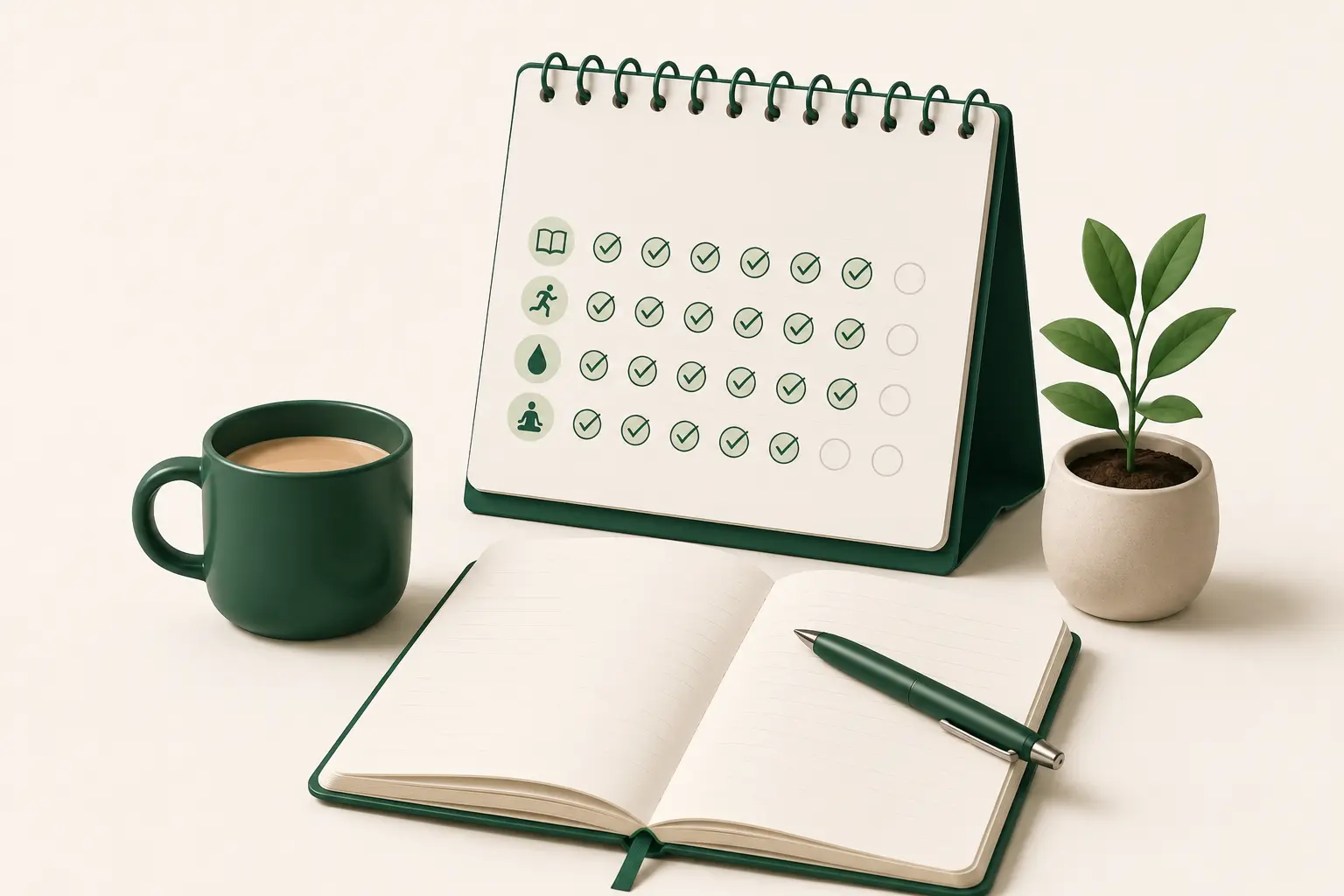
What gets measured becomes visible. Tracking helps you notice patterns: which days you slip, which triggers are strongest, and how long your streak lasts after a miss.
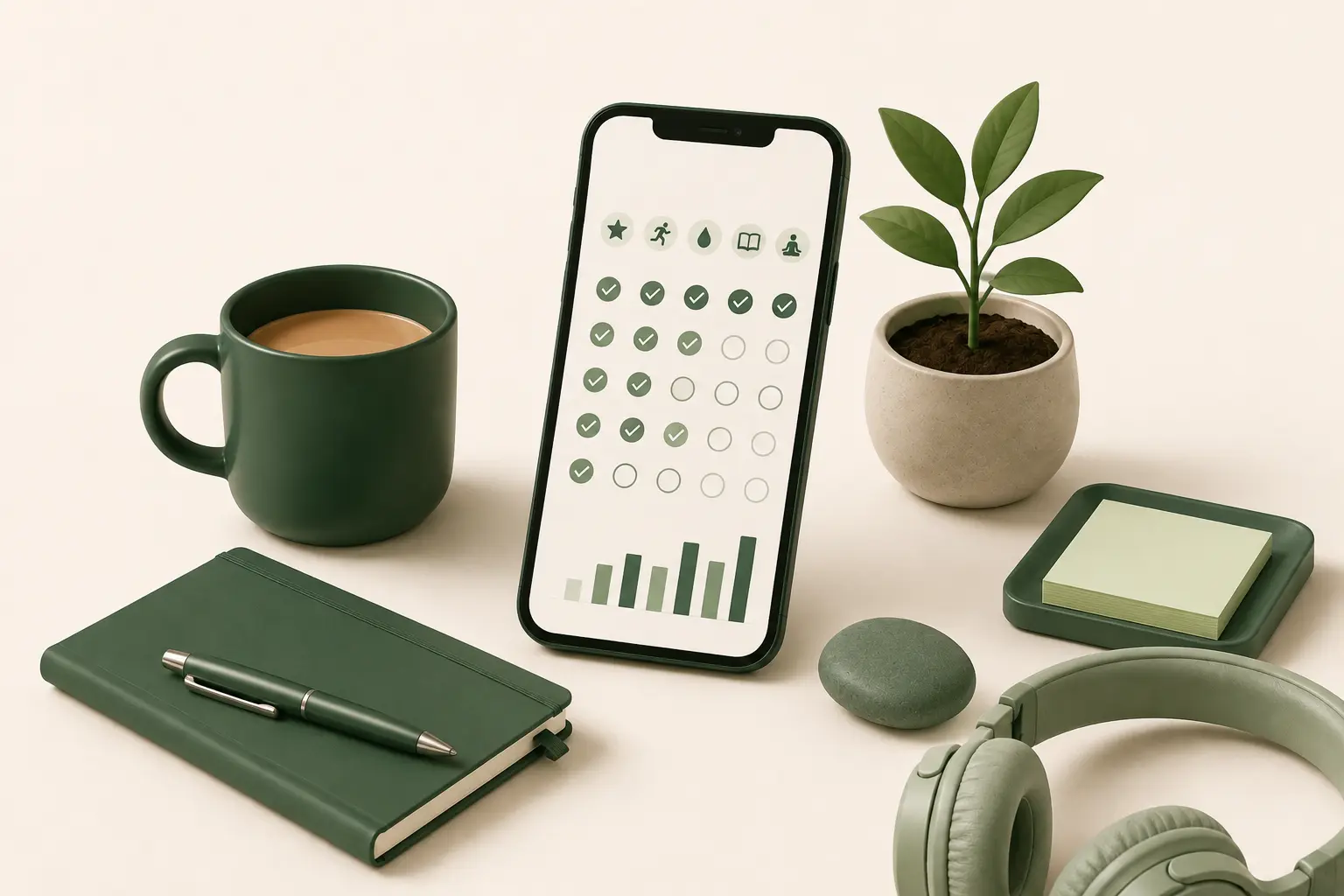
A habit tracker like Habittr makes this practical. Instead of only promising to quit a bad habit, you track the replacement: “phone-free morning,” “walk after dinner,” “no snacks after 9pm.” Progress becomes something you can see and protect.
What to do when you relapse
You will relapse. That is normal, not proof that change is impossible.
The rule is simple: never miss twice on purpose. One slip is data. Two slips become a new pattern.
When it happens:
- Note the cue that pulled you back
- Reduce friction even more
- Restart the tiny version of the replacement habit the same day if possible
Shame keeps bad habits alive. Curiosity helps you redesign them.
A simple 7-day reset plan
Use this if you want a concrete start:
- Day 1: Pick one bad habit only
- Day 2: Write its cue, routine, and reward
- Day 3: Add one friction change to your environment
- Day 4: Choose a tiny replacement habit
- Day 5-7: Track the replacement every day
Do not overhaul your whole life in one week. Break one loop cleanly, then move to the next.
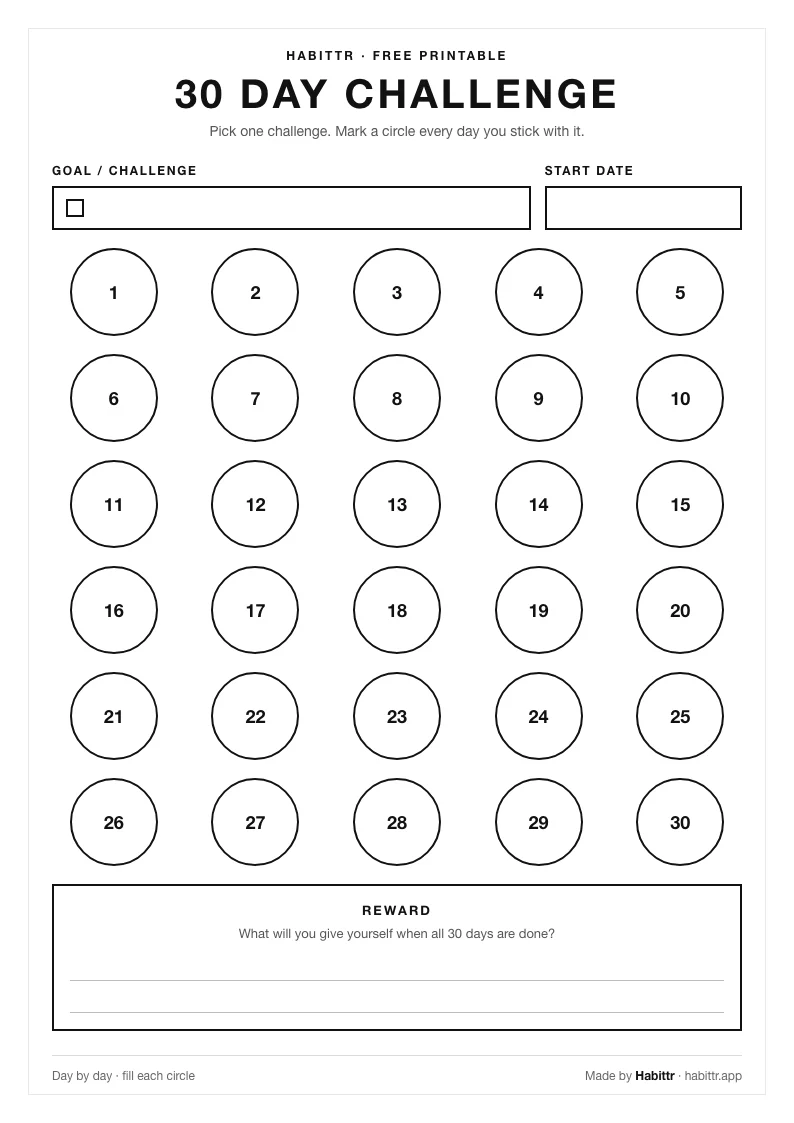
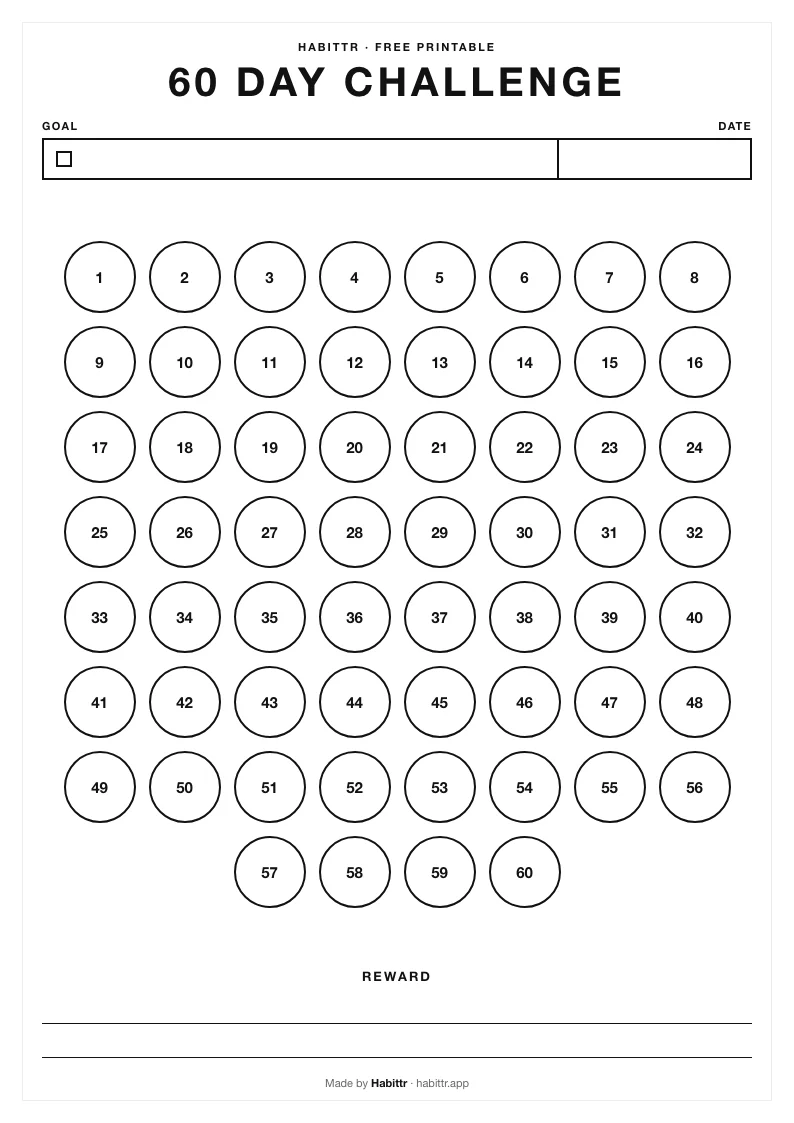
A timed challenge helps you lock in the replacement habit. Download our free 30-day challenge or 60-day challenge printable and mark every day you stick with the new routine.
Conclusion
Breaking bad habits for good is a design problem more than a discipline problem. Identify the cue, raise friction, replace the routine, and track the new behavior until it becomes automatic.
Ready to replace your bad habits with routines you can keep? Download Habittr and start tracking today.